Upcoming Thrilling Events at Da Men Mall You Won’t Want to Miss

Introduction to Da Men Mall: A Hub for Local Engagement

Da Men Mall stands out as a vibrant center for local engagement in the community. This bustling mall is not just a shopping destination; it serves as a vital space for social gatherings and community activities. With a calendar of events that includes everything from cultural festivities to family-friendly activities, Da Men Mall effectively enriches the local experience.

Visitors can expect an exciting entertainment lineup that caters to all ages. Regularly scheduled events, such as art exhibitions and live performances, draw residents and tourists alike, fostering connections among diverse groups. The promotions calendar, highlighting special offers and pop-up events, adds to the allure, making each visit an opportunity for discovery.

Whether you’re looking to enjoy a weekend outing or participate in community-driven events, Da Men Mall provides an engaging atmosphere that encourages local engagement. With its diverse offerings, including an exciting entertainment lineup and various social gatherings, it serves as a key attraction in the area, especially when you check the https://damen-mallcom.com/ for upcoming family-friendly activities and cultural events.

Upcoming Events: Your Guide to the Entertainment Lineup

As we dive into the upcoming months, our calendar of events is brimming with exciting opportunities for local engagement. From cultural festivals to family-friendly activities, there’s something for everyone. Highlighted events include the annual street fair, which showcases local artisans, food vendors, and live music, creating a vibrant atmosphere for social gatherings.

Don’t miss the community activities planned for the summer, featuring outdoor movie nights and farmers’ markets. These events not only offer entertainment but also promote local businesses and strengthen community ties. Be sure to check the promotions calendar for special discounts and offers at local attractions.

With many activities scheduled, it’s easy to plan your weekends and make the most of the entertainment lineup. Stay tuned for updates on new events, ensuring you don’t miss out on the excitement that awaits in our thriving community!

Family-Friendly Activities: Fun for All Ages

Finding activities that cater to all ages can be a delightful challenge, especially when planning family outings. Local communities often host an array of family-friendly activities designed to engage every member of the family. From outdoor festivals to interactive workshops, there is no shortage of options to fill your promotions calendar with exciting events.

Consider attending a cultural festival that features local art, music, and food. These community activities not only entertain but also provide an opportunity for local engagement. Families can explore diverse traditions through hands-on experiences, making it both educational and enjoyable.

Another great option is to check the calendar of events for outdoor movie nights or park concerts. These social gatherings allow families to enjoy quality time together under the stars while enjoying a fantastic entertainment lineup. Always keep an eye out for seasonal events, as they often bring unique themes and activities tailored for kids.

Lastly, don’t overlook the significance of visiting local attractions like museums or zoos that offer family-centric programs. With the right event scheduling, your family can experience enriching activities that foster connection and create lasting memories.

Cultural Events and Community Activities: Celebrating Diversity

Cultural events and community activities play a vital role in fostering social connections and celebrating diversity. Local engagement is at the heart of these gatherings, offering a platform for individuals to share their heritage and traditions. From vibrant festivals showcasing music and art to community-driven food fairs, the entertainment lineup is always rich and varied, ensuring there’s something for everyone.

Families can enjoy a plethora of family-friendly activities that engage all ages, such as storytelling sessions, craft workshops, and outdoor movie nights. These social gatherings not only entertain but also strengthen community bonds, making them essential visitor attractions.

To stay updated, check the promotions calendar for upcoming events that reflect the unique tapestry of cultures within your area. A well-organized calendar of events can guide you to the most exciting experiences, creating opportunities for both locals and visitors to connect and celebrate together.

Promotions Calendar: Special Offers You Won’t Want to Miss

The Promotions Calendar is your go-to resource for local engagement and exciting deals throughout the year. With a robust lineup of cultural events, this calendar highlights special offers that enhance your experience at community activities and entertainment venues.

Mark your calendars for family-friendly activities, like the summer festival that often features discounts on local attractions and food vendors. These social gatherings are perfect opportunities to explore what our community has to offer while enjoying exclusive promotions.

Additionally, keep an eye out for holiday-themed events that typically come with fantastic deals. Whether you’re seeking seasonal entertainment or unique visitor attractions, the Promotions Calendar ensures you won’t miss out on savings and fun!

Conclusion: Join the Excitement at Da Men Mall

As you explore the vibrant atmosphere of Da Men Mall, you’ll discover a hub of community activities that cater to all ages. The entertainment lineup promises to keep you engaged, from seasonal cultural events to family-friendly activities that create lasting memories.

Be sure to check the promotions calendar for amazing deals and visitor attractions that make every visit unique. Whether you’re looking to participate in social gatherings or simply enjoy a day out, Da Men Mall is your go-to destination.

Don’t miss out on the exciting event scheduling that brings the community together. With a dynamic calendar of events updated regularly, there’s always something new to experience. Join us at Da Men Mall and immerse yourself in the fun and festivities!
Exploring the Importance of Medieval Architecture

Introduction to Medieval Architecture

Medieval architecture represents a fascinating chapter in the history of construction, marked by innovative engineering and distinct aesthetic traditions. Originating roughly between the 5th and 15th centuries, this period produced some of the most iconic historical buildings in Europe, such as cathedrals, castles, and town halls. These structures not only showcase the architectural styles of the time, like Romanesque and Gothic, but also reflect the sociopolitical context in which they were built, serving as symbols of power, faith, and community.

One of the hallmarks of medieval engineering is the use of stone and masonry, which allowed for impressive feats such as soaring vaults and intricate facades. The structural analysis of these buildings reveals an understanding of weight distribution and stability that was quite advanced for its time. In addition to their functional aspects, medieval structures often incorporate rich symbolism in architecture, with elements like gargoyles and stained glass telling stories of biblical significance and moral lessons.

As we delve into this architectural period, we also reflect on the cultural heritage that these buildings embody. Preserving these historical sites is crucial, not only for their aesthetic appeal but for the insights they offer into the craftsmanship and urban design of the era. Advanced preservation techniques have emerged, ensuring that we maintain these monuments for future generations to appreciate and learn from https://medievalart.co.uk/.

Key Architectural Styles of the Medieval Period

The medieval period, spanning roughly from the 5th to the late 15th centuries, showcases a rich tapestry of architectural styles that reflect the evolving sociopolitical context of Europe. Among these, Romanesque and Gothic stand out as the most influential. Romanesque architecture, characterized by its thick walls and semi-circular arches, emerged in the 10th century. Notable examples include the Abbey of Saint-Germain-des-Prés, which exemplifies the era’s emphasis on solidity and monumental scale, serving both aesthetic traditions and functional needs.

In contrast, Gothic architecture exploded onto the scene in the 12th century, bringing a radical shift in design. The use of flying buttresses and ribbed vaults allowed for taller structures adorned with intricate stained glass, as seen in the awe-inspiring Notre-Dame Cathedral. This style not only emphasized verticality but also symbolized the divine, reflecting the cultural heritage and religious fervor of the time.

These architectural styles also played vital roles in urban design, influencing the layout of towns and cities. Each structure was often a focal point, showcasing the community’s values and aspirations, while also serving as a hub for social interaction. Preservation techniques developed over the centuries are essential for maintaining these historical buildings, ensuring that the legacy of medieval engineering continues to inspire future generations.

The Role of Medieval Engineering in Historical Buildings

Medieval engineering significantly shaped the landscape of historical buildings, merging functionality with artistry. Structures like cathedrals and castles were not merely fortifications or places of worship; they embodied the cultural heritage and symbolism in architecture of their time. The use of advanced techniques, such as ribbed vaults and flying buttresses, allowed for taller, more intricate designs, enhancing both strength and aesthetics.

These engineering marvels were often a direct response to the sociopolitical context of the era. For instance, the grand cathedrals of Europe served as both religious centers and symbols of power, reflecting the ambitions of the Church and local rulers. Through structural analysis, we can see how these buildings were engineered to withstand the test of time, showcasing innovative urban design principles that prioritize community space.

Moreover, medieval engineering influenced various architectural styles, leading to a rich tapestry of design that continues to inspire modern architects. The preservation techniques employed today draw heavily from these historical methods, ensuring that such landmarks remain accessible for future generations to appreciate and study.

In conclusion, the legacy of medieval engineering in historical buildings is profound. By examining these structures, we uncover valuable insights into the aesthetic traditions and engineering prowess of the past, highlighting their essential role in our understanding of history.

Symbolism in Architecture and Its Sociopolitical Context

Architecture transcends mere aesthetics, often embodying deeper meanings tied to historical and cultural narratives. Historical buildings frequently serve as symbols of power, reflecting the sociopolitical contexts in which they were constructed. For instance, medieval engineering marvels like cathedrals not only showcase architectural styles but also represent faith and community.

Urban design integrates symbolism through the arrangement of spaces, influencing social interactions. The use of specific materials and forms can represent cultural heritage, while contemporary structures may challenge traditional aesthetic traditions, promoting dialogue about identity and belonging.

Preservation techniques are vital in maintaining these symbols, ensuring that future generations can appreciate the rich stories embedded in architectural designs. Understanding the interplay between symbolism in architecture and its historical context enriches our appreciation of these enduring structures.

Preservation Techniques for Cultural Heritage in Medieval Structures

Preserving historical buildings requires a blend of respect for aesthetic traditions and an understanding of medieval engineering. Effective preservation techniques often start with thorough structural analysis, enabling experts to identify weaknesses and potential risks to cultural heritage.

Methods like repointing masonry and using compatible materials can maintain the integrity of architectural styles while ensuring the structures remain safe. Additionally, documenting symbolism in architecture allows for a deeper appreciation of the original intent behind these designs.

Incorporating urban design principles can foster community engagement, enhancing the sociopolitical context that surrounds these medieval structures. By utilizing modern preservation techniques, we not only protect the past but also enrich our cultural landscape for future generations.

Dal trauma alla guarigione profonda con la psicoterapia EMDR

                                                 (Eye Movement Desensitization and Reprocessing) 


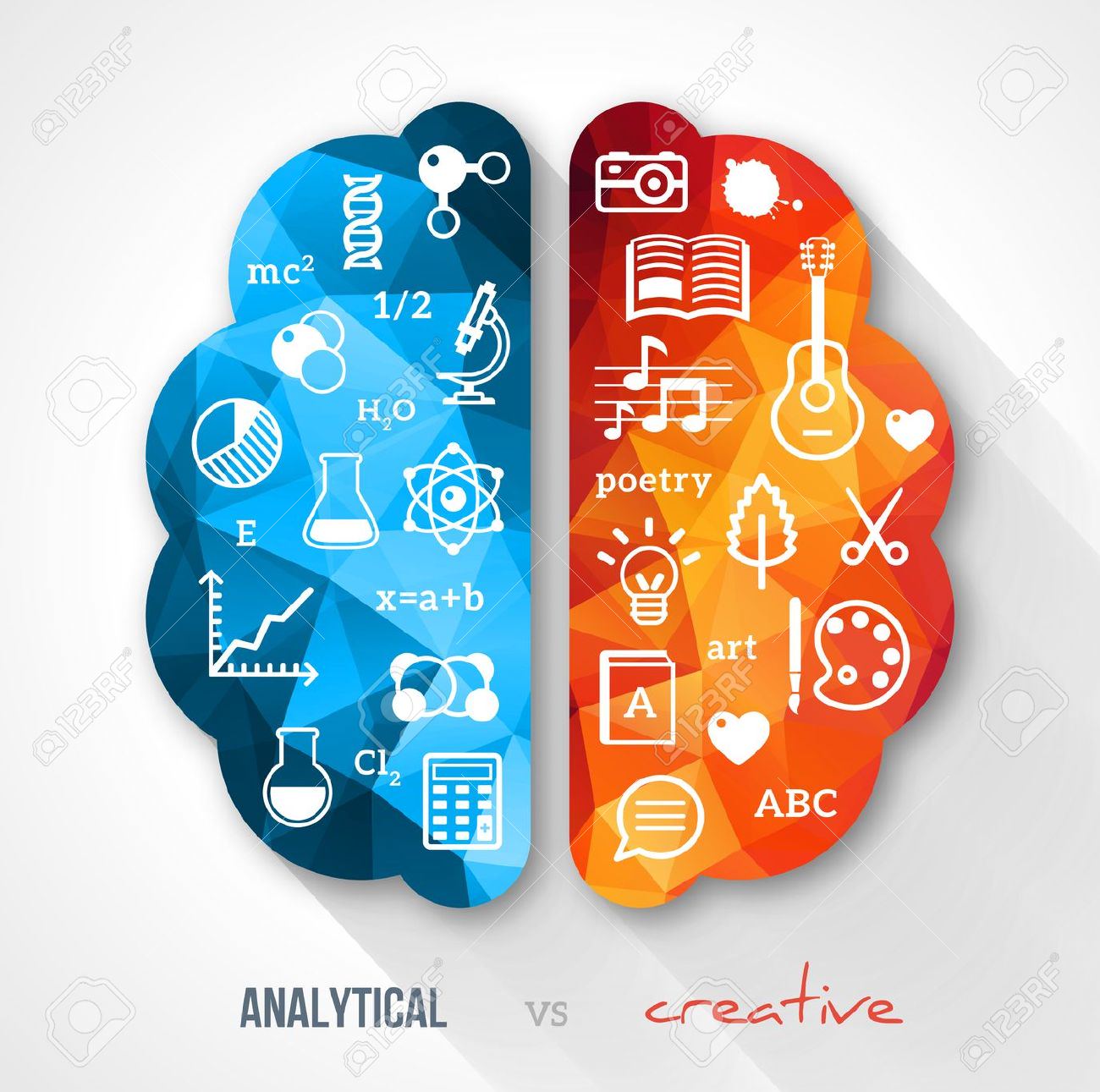
32124333-Vector-concetto-Scienze-e-le-arti-Torna-a-icone-di-scuola-Sinistra-e-funzioni-cerebrali-di-destra--Archivio-Fotografico

“I traumi precoci, non potendo essere razionalizzati si instaurano nel corpo…ed è li che dovremmo cercare! Per questo, molto spesso, sintomi funzionali esprimono dei vissuti e/o traumi e microtraumi mai elaborati”.                    
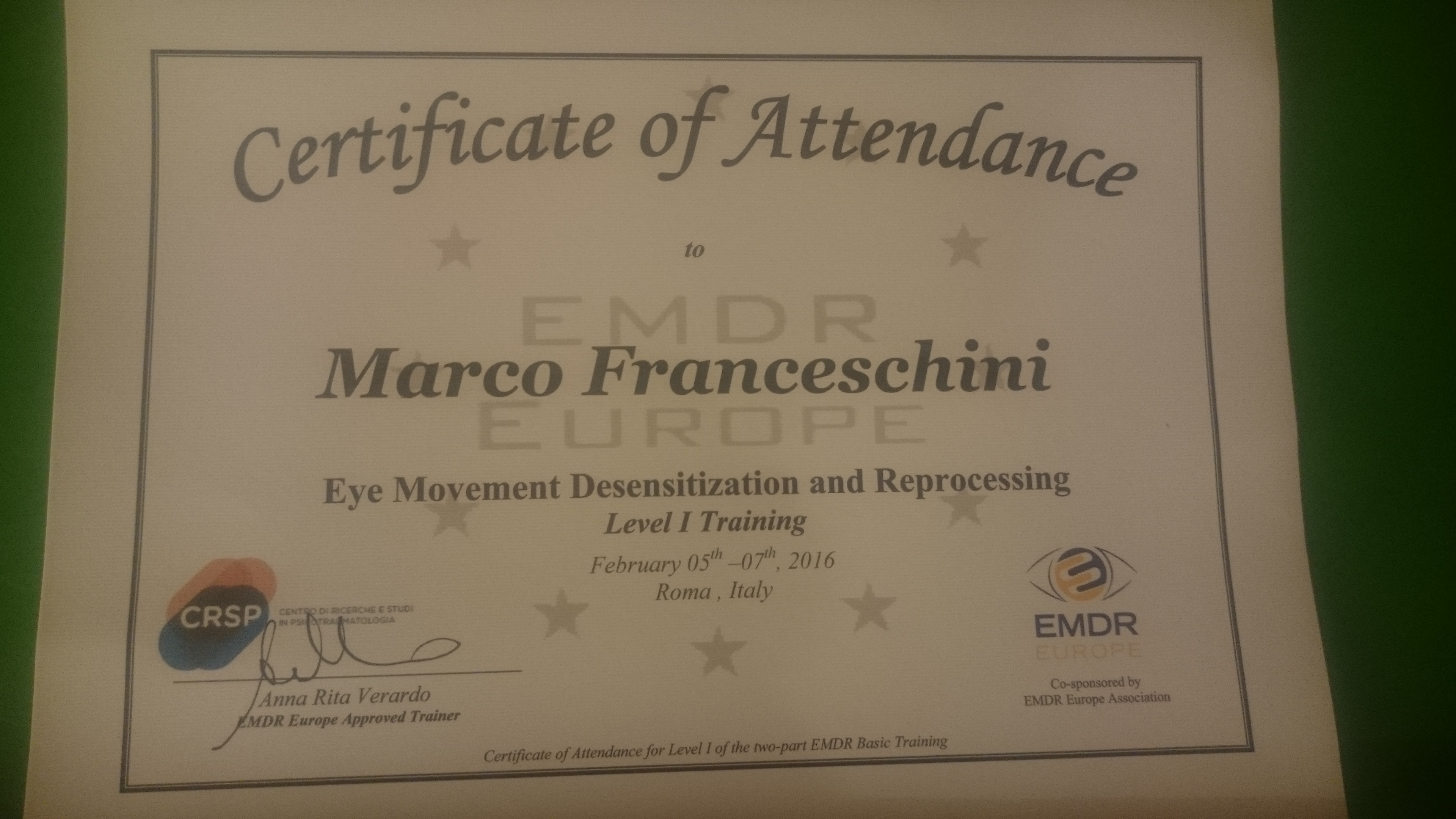
Dott. Marco Franceschini

 TRAUMI CON LA “T” MAIUSCOLA E LA “t” MINUSCOLA

Tutti noi, per il semplice fatto di vivere, siamo esposti all’eventualità di sperimentare traumi psicologici (dal greco “ferite dell’anima”). Esistono traumi che si possono definire “con la T maiuscola”: sono ferite importanti che minacciano la nostra integrità come calamità naturali, incidenti stradali, aggressioni, stupri, omicidi o suicidi di persone care, diagnosi infauste. Ma vi sono anche traumi “con la t minuscola” , esperienze che sembrano oggettivamente poco rilevanti, ma che possono assumere un peso soprattutto se ripetute nel tempo (microtraumi cumulativi) o subite in momenti di particolare vulnerabilità o nell’infanzia. E’ allora che, umiliazioni, abbandoni, trascuratezza e paure possono lasciare il segno modificando non solo i nostri atteggiamenti, le emozioni e le relazioni con gli altri nel corso della vita ma, questa è la novità scientifica, imprimendosi anche in specifiche aree del cervello, come hanno dimostrato studi all’avanguardia nel campo della neurobiologia. Ciò vale sia per i traumi maggiori che per quelli minori.

LA PSICOTERAPIA EMDR

Inizialmente lo psicoterapeuta che ha ricevuto la specifica formazione in EMDR raccoglie la storia del paziete, identificando con lui gli eventi che hanno contribuito a sviluppare il problema: attacchi di panico, ansie, fobie, sensi di colpa, insonnia, difficoltà di concentrazione, disturbi gastrointestinali, tachicardia, ecc.. Sono questi ricordi che verranno elaborati con l’EMDR. Il paziente viene invitato a notare i pensieri, le sensazioni fisiche e immagini collegati con l’esperienza traumatica, nel contempo il terapeuta gli fa compiere dei semplici movimenti oculari, o procede con stimolazioni alternate destra-sinistra. Tali stimolazioni hanno lo scopo di favorire una migliore comunicazione tra gli emisferi cerebrali e si basano su un processo neurofisiologico naturale, simile a quello che avviene nel sonno REM. Dopo l’EMDR il paziente ricorda ancora l’evento, ma sente che tutto ciò fa parte del passato ed è integrato in una prospettiva più adulta. Dopo poche sedute i ricordi disturbanti legati all’esperienza traumatica si modificano: il cambiamento è molto rapido, indipendentemeente dagli anni trascorsi dal trauma dal vissuto emotivo disturbante e mai elaborato. I pensieri intrusivi si attutiscono o spariscono, le emozioni e sensazioni fisiche si riducono di intensità. Studi randomizzati controllati hanno dimostrato che nel giro di 3-6 sedute si ha dal 77% al 100% di remissione del DSPT in vittime di traumi singoli, mentre occorrono almeno 12 sedute per coloro che hanno subito traumi multipli.DSC_0250

LE CONSEGUENZE A LIVELLO PSICOLOGICO

Grazie alle proprie risorse ed a l’aiuto del prossimo, la maggioranza delle persone traumatizzate riesce a recuperare un nuovo equilibrio, ma ci sono ferite che continuano a sanguinare anche a distanza di anni. Nel caso di traumi con la T maiuscola le persone possono reagire con paura, senso di vulnerabilità e orrore, secondo la definizione fornita dal DSM-V. Il trauma in questi casi è sempre presente, le sensazioni sono vive, e sembra che l’evento sia successo poche ore prima anche se risale a mesi o anni addietro. La sofferenza psicologica dei traumi con la “t” minuscola può essere di minore impatto ma ugualmente invalidante. Sensazioni di insicurezza, mancanza di autostima, colpevolizzazioni, attacchi di panico, ansie, sono gli strascichi più frequenti.

DIETRO LE QUINTE: COSA ACCADE NEL CERVELLO

Per guarire, la nostra psiche mette in campo le proprie risorse. Perché, così come siamo dotati di un sistema immunitario che provvede a guarire le ferite fisiche, vi è anche un naturale e saggio sistema di riparazione delle ferite dell’anima. Gli eventi traumatici, in questi casi, non vengono cancellati ma rielaborati in modo adattavo, permettendoci di andare avanti spesso con risorse aggiuntive che ci serviranno per affrontare altre difficoltà. Il passato, in questi casi, resta nel passato e noi possiamo proseguire sul cammino della vita. Ma quando un trauma rimane irrisolto, invece, diventa parte di un circolo vizioso di pensieri, emozioni e sensazioni corporee disturbanti. Si è visto che i ricordi traumatici sono immagazzinati nel cervello in modo differente dai ricordi non traumatici. I primi si collocano soprattutto nell’emisfero destro, separati dai ricordi positivi come se fossero congelati in uno spazio e tempo diversi dal resto dei nostri vissuti. Qui continuano ad agire ma queste cicatrici sono in realtà il ricordo di ciò che è successo.

E.M.D.R, LA CHIAVE CHE APRE I GIARDINI DELLA MEMORIA

Oggi l’EMDR è considerato il trattamento evidence-based per il DSPT (Disturbo da Stress Post Traumatico), validato da più ricerche e pubblicazioni. E’ approvato, tra gli altri, dall’American Psychological Association, dall’American Psychiatric Association, dall’International Society for Traumatic Stress Studies, dall’Organizzazione Mondiale della Sanità e dal nostro Ministero della Salute. Gli aspetti vincenti dell’EMDR sono la rapidità di intervento, efficacia e la possibilità di applicazione a persone di qualunque età, compresi i bambini.

                                                        LE CONFERME DA STUDI DI NEUROIMAGING                                                                La tendenza oppressiva a rivivere il trauma attiva le reti neuronali coinvolte nelle risposte legate alla paura, causando modificazioni in specifiche aree del cervello. Uno degli studi più recenti (2012) realizzato dal neuroscienziato Marco Pagani dell’Istituto di Scienze e Tecnologie della cognizione del CNR di Roma in collaborazione con il Dipartimento di Medicina dei Sistemi dell’Università Tor Vergata, è il primo al mondo a dimostrare gli effetti in tempo reale di una terapia psicologica. La ricerca ha coinvolto dieci soggetti con grave trauma psichico e dieci controlli sani non traumatizzati. Con la tecnica della neuroimmagine funzionale si è dimostrato che esiste un cambiamento significativo nell’attivazione delle aree cerebrali dopo la terapia con EMDR, da regioni limbiche con una valenza emotiva elevata a regioni corticali con una valenza emotiva elevata a regioni corticali con una valenza associativa. In pratica, l’EMDR trasforma l’esperienza da emotiva in cognitiva, in cui diverse regioni cerebrali partecipano all’elaborazione dell’esperienza.